Quick answer
Unopened tahini usually keeps its best quality until the best-by date on the jar, often 1 to 2 years. Once opened, plan on several months in a cool pantry, or longer in the refrigerator. Tahini does go bad: throw it out if it smells sour or paint-like, tastes bitter, or shows any mold.
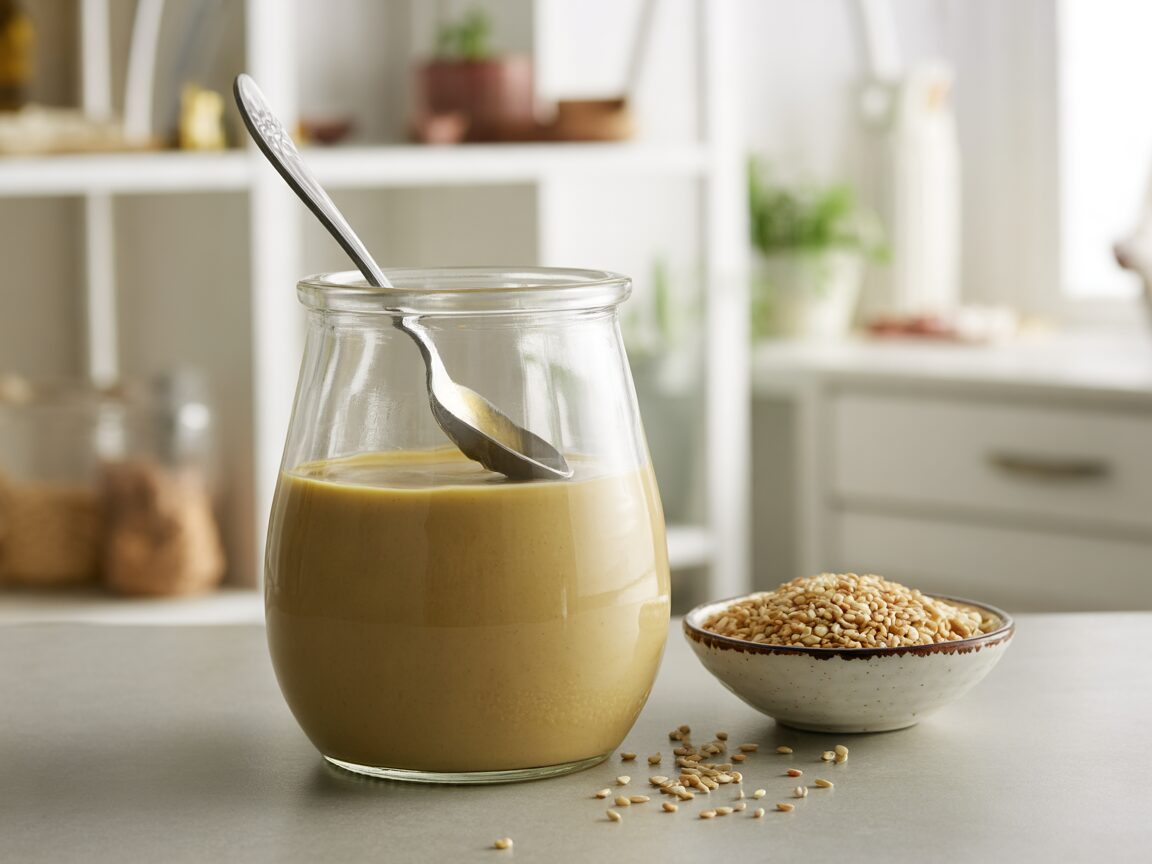
How long does tahini last? Longer than most condiments, because it is almost all sesame oil and seed solids with very little water. However, that oil slowly turns rancid once the jar is open, so freshness depends on air, heat, light and how often a wet spoon goes into the jar.
No government agency publishes a set storage time for tahini, and manufacturers give different windows. So the most reliable approach is to go by the best-by date, store the jar well, and check it with your senses before each use. Below, you will find a quality timeline, how to store tahini, the signs it has spoiled, and one safety warning many guides leave out.
Tahini Shelf Life at a Glance
These windows describe quality, not safety. They reflect typical manufacturer guidance, so always check your own jar first.
| Tahini | Pantry (cool, dark) | Refrigerator |
|---|---|---|
| Unopened jar | Until the best-by date, often 1 to 2 years from packing | Not needed, but fine |
| Opened jar | About 3 to 6 months at best quality | About 6 months to a year |
| Homemade tahini | Not recommended | About 1 month, a cautious window |
| Tahini sauce with lemon, water or garlic | Do not leave out | 3 to 4 days, like other leftovers |
| Frozen tahini | Several months in small, airtight portions | |
For context, one major tahini maker states that its unopened jars last 2 or more years. The same maker says an opened jar can last up to a year if moisture stays out. Another suggests refrigerating opened tahini to keep it fresh for about six months. The range is wide, which is why the date on your jar and your own nose matter most.
Does Tahini Go Bad?
Yes, tahini goes bad, but usually slowly. According to USDA FoodData Central, roasted tahini is about 54% fat and only about 3% water. That low moisture makes it hard for most bacteria and molds to grow, which explains the long shelf life.
The fat is the weak point. Nearly half of that fat consists of polyunsaturated oils, which gradually react with oxygen. That slow oxidation is what makes tahini taste stale, bitter or sharp, a change known as rancidity. Heat, light and air all speed it up, so a jar near the stove ages much faster than one in a cool cupboard.
What the best-by date means
USDA product dating guidance explains that a “Best if Used By” date shows when a product will taste best. It is not a safety date. As a result, tahini stored properly may still be fine after the date, as long as it shows no signs of spoilage.
Does Tahini Need to Be Refrigerated After Opening?
No, refrigeration is optional, but it helps. Tahini is shelf-stable, so an opened jar can stay in a cool, dark pantry if you will finish it within a few months. The refrigerator slows rancidity, which makes it the better choice for a jar you use only now and then.
| Pantry | Refrigerator | |
|---|---|---|
| Texture | Thinner and easier to drizzle | Thicker and harder to stir |
| Oil separation | More noticeable | Slower |
| Freshness | Fades faster | Lasts longer |
| Best for | Frequent use | Occasional use |
Chilled tahini firms up, so let it sit at room temperature for a few minutes before using it. If you need it thinner, stir a little warm water into the portion in your bowl, not into the jar.
How to Store Tahini
- Seal it tightly: close the lid right after each use to limit air.
- Keep it cool and dark: store it away from the stove, oven, dishwasher and sunny windows.
- Use a clean, dry spoon: water and crumbs bring in moisture, which lets mold grow.
- Stir before using: mix the separated oil back in so the jar stays evenly creamy.
- Refrigerate slow jars: if you will not finish it within a few months, move it to the refrigerator.
Some cooks store the jar upside down for a day before opening, which helps the oil work back through the paste. A sturdy butter knife or chopstick also makes stirring a full jar much easier.
How to Tell If Tahini Is Bad
Check tahini each time you open it. These signs mean the jar should go in the trash.
- Smell: fresh tahini smells mild and nutty. A sour, sharp, soapy or paint-like smell means the oil has gone rancid.
- Taste: a strong bitter or stale taste, beyond the gentle bitterness of sesame, signals rancidity.
- Mold: fuzzy spots of any color, often near the rim where moisture collects.
- Color: darkening well beyond the usual beige can point to age or heat damage.
If you see mold, discard the whole jar. The USDA guidance on molds says to throw out moldy peanut butter, legumes and nuts, because foods processed without preservatives carry a high risk for mold. Tahini, a sesame seed paste, fits that same category. Also, avoid sniffing a moldy jar, since USDA notes that this can cause breathing trouble.
What is normal
Oil pooling on top is normal and does not mean tahini has spoiled. Likewise, a thick or stiff layer at the bottom is just settled solids. Stir it well, and it should turn smooth again.
A Safety Note: Check for Recalls
Because tahini is ready to eat and not cooked before serving, contamination at the factory reaches the table directly. In 2013, the CDC linked a Salmonella outbreak to a recalled tahini sesame paste that sickened 16 people in nine states.
The same CDC report warned that tahini has a long shelf life, so recalled jars may still sit in pantries long after a recall. Therefore, if you hear about a tahini recall, compare the brand and dates on your jar, and discard any match even if it looks and smells fine.
Homemade Tahini and Tahini Sauce
Homemade tahini lacks the controlled processing of store-bought jars, so keep it in the refrigerator in a clean, airtight jar. Use it within about a month, a cautious window, and check it for a sour smell before each use.
Tahini sauce is different again. Once you whisk in lemon juice, water or garlic, it is no longer a low-moisture food. Treat it like other leftovers: refrigerate it within 2 hours, and use it within 3 to 4 days, as USDA leftovers guidance recommends.
Making an Older Jar Last
When a jar is still sound but nearing the end of its peak quality, use it in recipes where its flavor matters less. Tahini disappears well into baked goods, marinades, salad dressings and blended soups, where lemon, garlic and spices balance any slight dullness. Meanwhile, save a fresh jar for hummus and drizzling sauces, since tahini’s nutty character stands out most in those simple preparations.
Can You Freeze Tahini?
Yes. Freezing slows rancidity, which helps if you bought a large jar. Spoon tahini into an ice cube tray or small airtight containers, freeze them, then store the cubes in a labeled freezer bag. Thaw portions in the refrigerator or at room temperature, then stir well before using.
Frequently Asked Questions
Can you use tahini after the best-by date?
Often, yes. The date marks peak quality, not safety. If the tahini smells nutty, tastes fine and shows no mold, it is usually still good to use.
What happens if you eat rancid tahini?
Rancid tahini tastes unpleasant and has lost quality. Since the flavor will spoil any dish, discard it rather than cooking with it.
Why does tahini harden at the bottom of the jar?
The solids settle while the oil rises. Stir thoroughly, or warm the closed jar in a bowl of warm water to loosen it before stirring.
Bringing It Together
Tahini lasts a long time because it holds very little water, but its oils slowly turn rancid once the jar is open. Store it sealed, cool and dark, use a clean, dry spoon, and refrigerate jars you use only occasionally. Then trust your senses: a nutty smell is good, while a sour smell, bitter taste or any mold means it is time for a new jar.
Key takeaways
- Unopened tahini keeps its quality until the best-by date, often 1 to 2 years.
- Opened tahini lasts several months in the pantry and longer in the refrigerator.
- Discard tahini that smells sour, tastes bitter or shows any mold.
- Tahini sauce with lemon or water lasts only 3 to 4 days in the refrigerator.
About this guide: the fat and moisture figures come from USDA FoodData Central, and the dating, mold and leftovers rules follow USDA Food Safety and Inspection Service guidance. The recall note follows a CDC outbreak report.