Quick answer
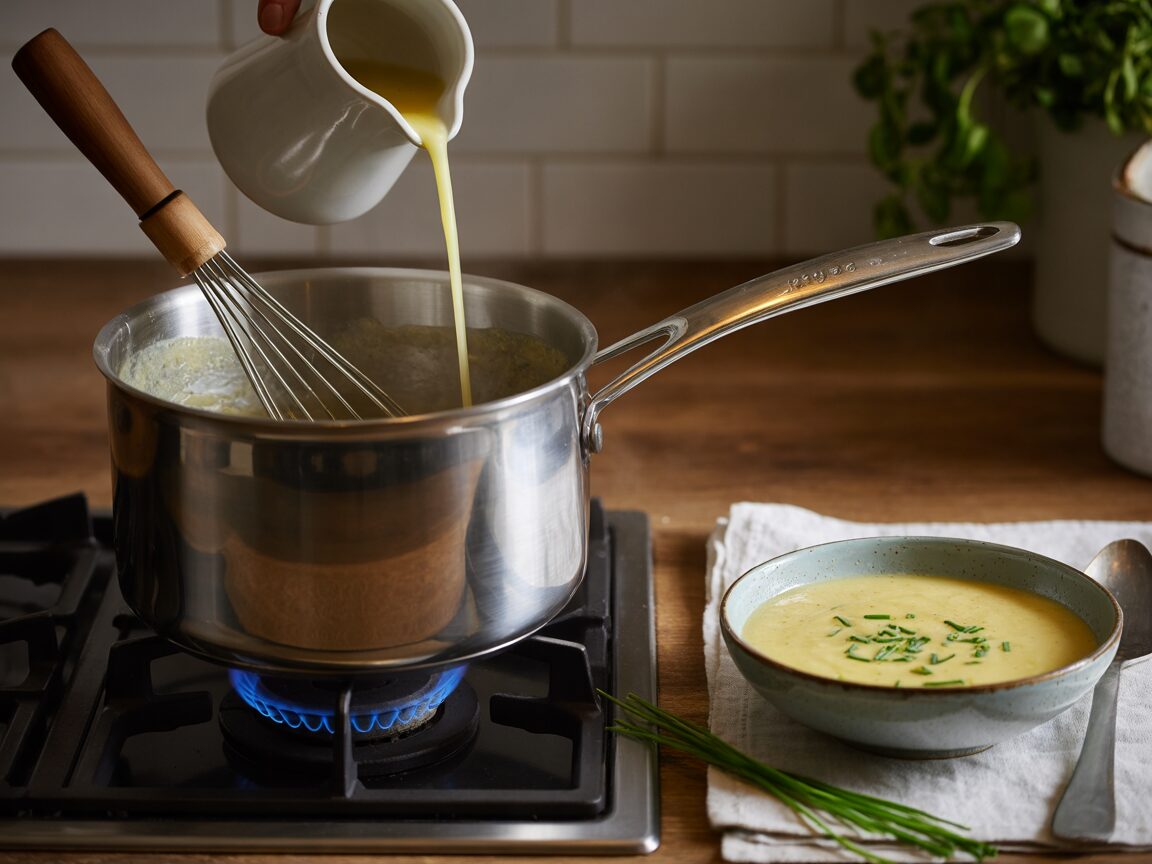
To thin out potato soup, warm it over low heat and whisk in hot broth or warm milk about ¼ cup at a time, letting the soup heat between additions. Stop when it coats a spoon but still pours easily, then taste and add more salt, since the extra liquid dilutes the seasoning.
Knowing how to thin out potato soup saves a pot that has turned stodgy, and it takes only a few minutes and the right liquid. Potato soup often sets up while it simmers, or it turns into something closer to mashed potatoes after a night in the refrigerator. Either way, the fix is the same.
The key is to add liquid gradually and to match it to the soup. Broth keeps the flavor savory, milk keeps it creamy, and water works in a pinch if you season afterward. Below, you will find why potato soup thickens, which liquid to choose, how much to add, and how to thin leftovers safely without curdling the dairy.
Why Potato Soup Gets So Thick
Potatoes are full of starch, and that starch is exactly what makes potato soup creamy. As the potatoes cook, their starch granules absorb water and swell, then some of that starch escapes into the broth. The more the potatoes break down, the thicker the soup becomes.
Three things push it further. First, steam escapes during a long simmer, so the soup loses water and concentrates. Second, mashing or stirring vigorously releases extra starch. Third, cooling sets the starch: cooked starch reshapes into a firmer structure as it cools, especially in the refrigerator, as a University of Florida IFAS Extension guide explains.
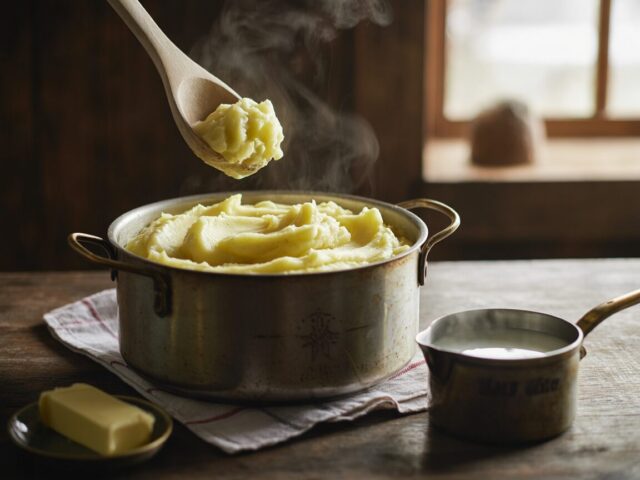
That last point explains why leftovers so often come out of the refrigerator as a solid block. The soup has not gone wrong; its starch has simply set. Warming it with a little liquid loosens it again. The same process makes mashed potatoes thicken as they cool.
What to Add to Thin Potato Soup
Choose the liquid based on how the soup should taste and feel. Each option thins the soup equally well, but each changes the flavor in a different way.
| Liquid | Effect on flavor | Best for |
|---|---|---|
| Chicken or vegetable broth | Keeps it savory; adds a little salt | Most potato soups; the default choice |
| Whole milk | Keeps it creamy and mild | Creamy or loaded potato soup |
| Half-and-half or cream | Richer, silkier, heavier | Special-occasion soup; small amounts |
| Water | Dilutes flavor; needs reseasoning | When nothing else is on hand |
| Starchy potato cooking water | Neutral, slightly earthy | Thinning while keeping body |
| Unsweetened oat or soy milk | Creamy, slightly nutty | Dairy-free soup |
For dairy-free soup, choose an unsweetened plant milk, since sweetened versions clash with savory flavors. This milk substitute guide compares the options in more detail.
As a general rule, use broth when the soup tastes rich enough already, and milk when it tastes a little thin in flavor. Many cooks use a mix, such as half broth and half milk, which keeps both the savory depth and the creaminess.
Why Gradual Additions Matter
Potato starch behaves unpredictably when you introduce liquid quickly. Swollen starch granules continue absorbing moisture for several minutes, so a soup that looks perfectly balanced immediately after adding broth frequently thickens again shortly afterward. Consequently, cooks who pour in a large quantity all at once often overcorrect, producing a watery, underseasoned result once everything equilibrates.
Temperature also influences the outcome considerably. Cold liquid temporarily stiffens the starch and makes the soup appear thicker than it actually is, encouraging unnecessary additions. Warm liquid, by comparison, integrates immediately and gives an accurate picture of the final consistency. For that reason, patience and preheated liquid together produce far more reliable results than any precise measurement.
How Much Liquid to Add
The right amount depends on how thick the soup has become. Use this chart as a starting point for each 4 cups of soup, then adjust by eye.
| How the soup looks | Start with, per 4 cups of soup |
|---|---|
| Slightly too thick; pours slowly | 2 to 4 tablespoons |
| Thick; mounds on a spoon | ¼ to ½ cup |
| Very thick; a spoon stands up | ½ to ¾ cup |
| Set solid from the refrigerator | ¾ to 1 cup, added as it warms |
These are starting points rather than exact measurements, because every batch holds a different amount of starch. Always add less than you think you need, since it is easy to add more liquid and much harder to take it away. In addition, remember that hot soup looks thinner than it will be once it sits in a bowl for a few minutes.
How to Thin Potato Soup, Step by Step
- Warm the liquid: heat the broth or milk until it steams, so it does not cool the soup or shock the dairy.
- Lower the heat: keep the soup over low to medium-low heat.
- Add a little at a time: pour in about ¼ cup, then whisk or stir thoroughly.
- Let it settle: heat the soup for a minute, then check the texture before adding more.
- Check the consistency: stop when the soup coats the back of a spoon but still pours from a ladle.
- Season again: taste and add salt, pepper or herbs to restore the flavor.
A whisk works better than a spoon here, because it breaks up thick clumps and blends the liquid in evenly. However, whisk gently rather than beating the soup, since aggressive mixing releases more starch.
Thinning Creamy Soup Without Curdling
Potato soups made with milk, cream or sour cream need gentle heat. A hard boil can make dairy separate into small curds, which leaves the soup grainy.
To avoid that, warm the milk before adding it, and keep the soup below a simmer once the dairy goes in. If the recipe includes sour cream, whisk a ladle of hot soup into the sour cream in a separate bowl first, then stir that mixture back into the pot. This step, called tempering, raises the temperature of the dairy gradually.
If the soup does separate slightly, remove it from the heat and whisk steadily. Small amounts of separation usually blend back in, although the texture may not turn completely smooth.
Thinning Different Styles of Potato Soup
Not every potato soup responds identically, because the other ingredients influence both thickness and flavor. Adjust the approach to the style in your pot.
Loaded baked potato soup
Cheese, sour cream and bacon make this style especially dense. Thin it with warm milk rather than broth, so the creamy character survives, and add the cheddar topping only after adjusting the consistency, since melted cheese thickens it again.
Cheesy potato soup
Cheese tightens as the soup cools and can turn stringy when overheated. Therefore, thin it over very low heat, stirring continuously, and add the liquid before the soup becomes hot enough to bubble.
Potato leek soup
Most cooks purée leek soups smooth and use less dairy in them. Broth or a mixture of broth and water suits them best, preserving their delicate, oniony flavor.
Slow cooker potato soup
Soup held on the warm setting gradually loses moisture and thickens around the edges. Stir in warm broth every hour or so, scraping down the sides, while it waits for serving.
Canned condensed potato soup
Manufacturers design condensed soup for dilution. Follow the label, which usually calls for a can of milk or water, then adjust from there with additional liquid.
Thinning Soup for a Crowd
A large pot of potato soup kept warm for a party thickens steadily as steam escapes. To keep it serving-ready, keep a small saucepan of hot broth nearby and stir some in whenever the soup starts to look heavy.
Keep the soup hot while it waits, too. FDA buffet guidance calls for holding hot foods at 140°F or warmer, using a slow cooker, chafing dish or warming tray. Check the temperature occasionally with a thermometer, and avoid letting the soup sit at room temperature for more than 2 hours.
Thinning Leftover Potato Soup
Refrigerated potato soup often sets almost solid, so plan to add liquid as you reheat it. Spoon the soup into a saucepan, add a few tablespoons of broth or milk, and warm it over medium-low heat, stirring often. As it loosens, add more liquid until it reaches the texture you like.
Heat matters for safety as well as texture. USDA leftovers guidance advises reheating soups to a rolling boil, or to 165°F, before eating. For a dairy-based potato soup, a thermometer reading of 165°F is the gentler check, because a hard boil can split the milk.
In the microwave, cover the bowl, heat the soup in 1-minute bursts, and stir in a splash of liquid between each. Then let it stand for a minute, and check that it is steaming hot throughout.
Thinning soup that was frozen
Frozen potato soup often thaws grainy or watery in places, because freezing damages the potato cells and can split the dairy. Thaw it in the refrigerator, then reheat it gently while whisking. If it still looks broken, add a splash of warm milk and whisk until it comes back together.
Avoid the Blender When Thinning
It may seem logical to blend thick soup with extra liquid, but that usually makes the problem worse. Blending bursts the swollen starch cells in the potatoes, and the released starch turns the soup gluey and elastic. As a result, a soup that was merely thick can become sticky and paste-like.
Instead, thin the soup with a whisk. If you want a smoother texture overall, give an immersion blender only a few short pulses before you add the extra liquid, then stop.
Bringing the Flavor Back
Every cup of liquid you add waters down the seasoning, especially when you use water or unsalted milk. So once the texture looks right, taste the soup and adjust it.
- Salt: add a pinch at a time, stirring and tasting between additions.
- Pepper: freshly ground black pepper restores some of the lost bite.
- Herbs: a little dried thyme or fresh chives lifts a flat soup.
- Acid: a few drops of lemon juice or a spoonful of sour cream brightens heavy flavors.
- Savory depth: a small spoonful of bouillon paste adds richness when you thinned with water.
Finally, toppings help too. Shredded cheddar, crisp bacon and sliced green onions add flavor and texture, which makes a slightly thinner soup feel just as hearty.
How Thick Should Potato Soup Be?
The ideal texture depends on how you plan to serve it. For a bowl at the table, aim for a soup that coats the back of a spoon and flows slowly from a ladle. For sipping from a mug, thin it a little more, until it pours like heavy cream.
Bread bowls are the exception. In that case, keep the soup on the thick side, since a thin soup soaks into the bread and makes it leak. For young children, thin the soup slightly and let it cool to a comfortable temperature before serving.
Preventing Overly Thick Soup Next Time
A few small habits keep potato soup from turning too thick in the first place.
- Choose the right potato: starchy russets thicken soup the most, while red potatoes stay firm. Potatoes USA describes reds as waxy, with flesh that holds its shape.
- Mash only part of the pot: mash or pulse about half the potatoes, leaving the rest in chunks.
- Keep extra broth on hand: set aside a cup before you start, so you can adjust at the end.
- Add the dairy last: stir in the milk and sour cream after the potatoes are tender.
- Store it slightly thinner: leave leftovers a little loose, since they thicken as they chill.
The creamy potato soup recipe on this site follows these steps, using russets, a light roux and a half-mashed pot for body.
Storing Potato Soup
Refrigerate leftover soup within 2 hours in shallow containers. The FoodSafety.gov storage chart lists soups with meat or vegetables at 3 to 4 days in the refrigerator and 2 to 3 months in the freezer. For the best texture after freezing, freeze the soup before adding the dairy, then stir in the milk as you reheat it.
Quick Troubleshooting
| Problem after thinning | Likely cause | Fix |
|---|---|---|
| Tastes bland | Water or unsalted milk diluted the seasoning | Add salt, pepper and a little bouillon paste |
| Grainy or curdled | Dairy boiled or went in cold | Remove from heat and whisk steadily |
| Gluey or stretchy | Soup was blended or beaten | Whisk in warm broth gently; avoid more blending |
| Thickened again in the bowl | Starch kept absorbing liquid as it cooled | Leave the pot slightly looser than you want |
What If You Added Too Much Liquid?
Overshooting is easy to fix. Simmer the soup uncovered for 5 to 10 minutes, stirring often, so some of the water evaporates. Alternatively, mash a few more of the potato chunks into the broth, or stir in a spoonful of leftover mashed potatoes until smooth.
Frequently Asked Questions
Can you thin potato soup with water?
Yes. Water thins the soup well, but it also dilutes the flavor. Add salt and pepper afterward, or use broth instead for a more savory result.
Why does potato soup get thicker in the fridge?
The potato starch sets as it cools, which firms the soup. Warming it with a little broth or milk loosens it again.
Can you thin potato soup with heavy cream?
Yes, although cream makes the soup richer rather than lighter. Use a small amount, or combine it with broth to keep the soup from turning heavy.
Should you thin potato soup before or after reheating?
Add a little liquid at the start, then add more as the soup warms and loosens. Cold soup looks much thicker than it will be once hot.
How do you thin potato soup without making it bland?
Use warm broth rather than water, then re-season with salt, pepper and a few drops of lemon juice. A small spoonful of bouillon paste also restores savory depth.
Bringing It Together
Potato soup thickens because of starch, evaporation and cooling, so a thick pot is normal rather than a mistake. To thin it, warm broth or milk and whisk it in about ¼ cup at a time over low heat, letting the soup settle between additions.
Keep dairy-based soups below a boil, reheat leftovers to 165°F with a splash of liquid, and avoid the blender, which turns thick soup gluey. Once the texture looks right, taste and season again, then serve.
Key takeaways
- Whisk in warm broth or milk about ¼ cup at a time over low heat.
- Use broth for savory flavor, milk for creaminess, and water only in a pinch.
- Keep creamy soup below a boil, and reheat leftovers to 165°F.
- Taste and season again, since added liquid dilutes the flavor.
About this guide: the starch science follows University of Florida IFAS Extension, the potato guidance follows Potatoes USA, and the reheating and storage rules follow USDA and FoodSafety.gov.