Quick answer
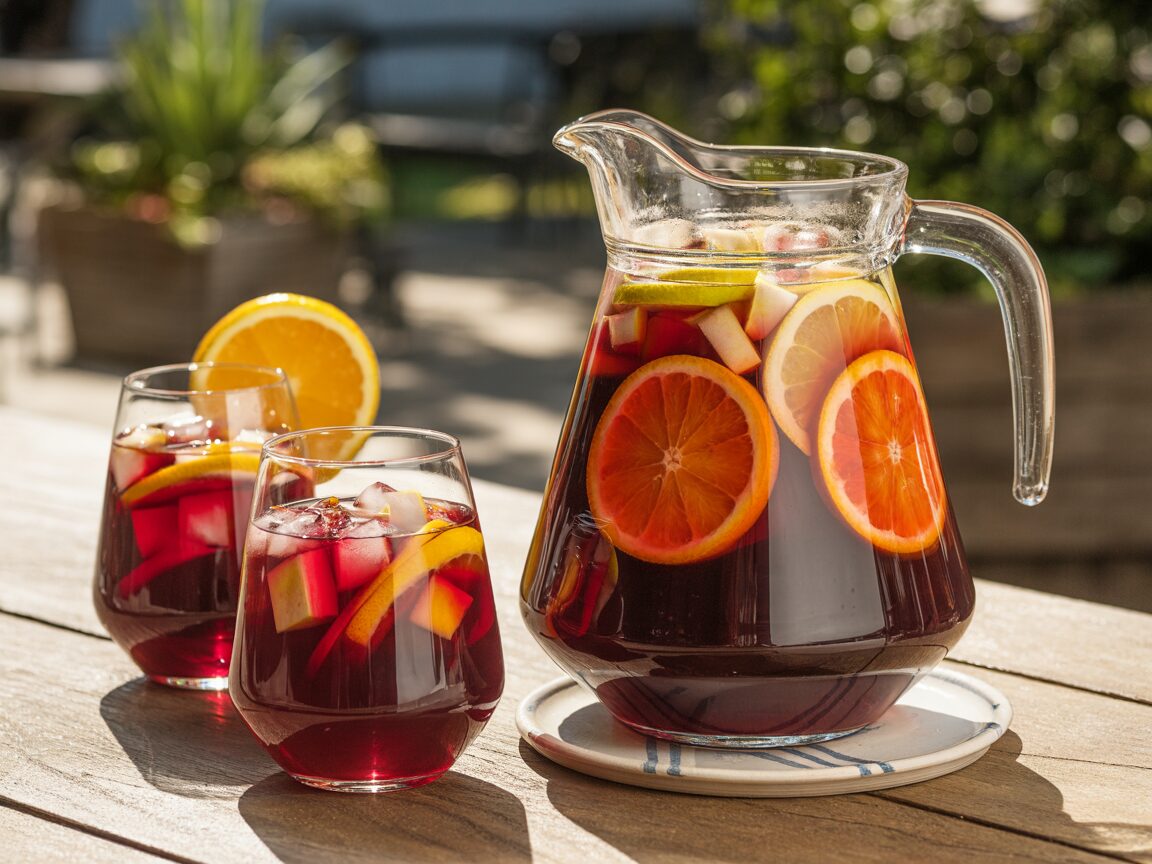
For classic red sangria, combine a bottle of dry Spanish red wine, ¼ cup of brandy, ½ cup of orange juice and 2 tablespoons of sugar in a pitcher. Add a sliced orange, a diced apple and half a lemon, then chill for at least 2 hours so the fruit flavors the wine. Top with club soda and serve over ice.
This sangria recipe makes a pitcher of six glasses with bright citrus, crisp apple and a gentle warmth from brandy. It takes about 10 minutes to put together, and the refrigerator does the rest. The keys to great sangria are a fruity, inexpensive wine, enough chilling time and a light hand with the sugar.
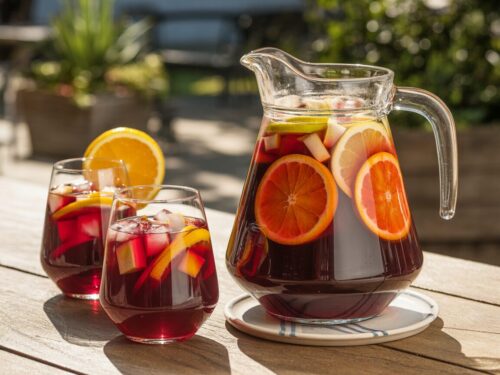
Classic Red Sangria
Equipment
- Large pitcher
- Long spoon
- Sharp knife and cutting board
Ingredients
- 1 bottle dry red wine 750 ml, such as Tempranillo or Garnacha
- 1/4 cup brandy
- 1/2 cup orange juice
- 2 tbsp sugar or to taste
- 1 orange thinly sliced
- 1 apple cored and diced
- 1/2 lemon thinly sliced
- 1 cup club soda chilled, added before serving
Instructions
- Stir the brandy, orange juice and sugar together in a large pitcher until the sugar dissolves.
- Add the orange, apple and lemon, then pour in the wine and stir gently.
- Cover and refrigerate for at least 2 hours, or up to overnight. If chilling overnight, remove the lemon slices after a few hours.
- Just before serving, stir in the club soda. Pour over ice, adding a few pieces of fruit to each glass.
Notes
Nutrition
Per glass, estimated
- Calories
- 180 kcal
- Total fat
- 0 g
- Saturated fat
- 0 g
- Cholesterol
- 0 mg
- Sodium
- 10 mg
- Carbohydrates
- 17 g
- Fiber
- 1 g
- Sugars
- 12 g
- Protein
- 1 g
Choosing the Wine
Sangria is a Spanish drink, so Spanish reds are a natural fit. A young Tempranillo, such as a basic Rioja, or a Garnacha gives juicy berry flavor without heavy tannins. Otherwise, any dry, fruity red works, including Merlot or a light Pinot Noir.
Skip expensive bottles, because fruit, juice and sugar cover their subtle flavors. On the other hand, avoid very cheap, harsh wine, since sangria won’t hide a sour or bitter base. A bottle you would happily drink on its own, at a modest price, is the sweet spot.
How Long to Chill Sangria
Time is what turns wine with fruit floating in it into sangria. After about 2 hours in the refrigerator, the citrus and apple start to flavor the wine. For a deeper, more blended taste, chill it for 4 hours or overnight.
However, longer is not always better. Orange and lemon peels contain a bitter white pith, and after a long soak, they can make the drink taste harsh. If you plan to chill sangria overnight, remove the lemon slices after a few hours, or use thinly sliced fruit with as little pith as possible.
How Strong Is Sangria?
Sangria tastes light, so it is easy to underestimate. According to the National Institute on Alcohol Abuse and Alcoholism, a standard drink contains 0.6 fluid ounces of pure alcohol. That equals 5 fluid ounces of table wine at about 12% alcohol, or 1.5 fluid ounces of 80-proof spirits.
Using those figures, here is roughly how much alcohol a pitcher holds, depending on how it is made:
| Pitcher made with | Standard drinks per pitcher | Strength, about |
|---|---|---|
| 1 bottle of wine, no spirits | About 5 | 12%, before juice and soda |
| Wine plus ¼ cup brandy (this recipe) | About 6½ | 10% after the club soda |
| Wine plus ½ cup brandy | About 8 | 11% after the club soda |
In other words, each of the six glasses from this recipe holds about one standard drink. Wines vary, though, and many reds run stronger than 12%, so treat these as estimates. For a lighter pitcher, leave out the brandy or add more club soda.
Calories in Sangria
Based on USDA FoodData Central values, a glass of this sangria, including its share of the fruit, has about 180 calories. By comparison, a 5-ounce glass of red wine alone has about 125. The difference comes mainly from the brandy, juice and sugar, so you can lighten the pitcher by cutting the sugar or skipping it if your wine is fruity.
Variations
- White sangria: use a crisp white wine such as Albariño or Sauvignon Blanc with peaches, green apple and lime.
- Rosé sangria: pair a dry rosé with strawberries, raspberries and a splash of orange juice.
- Winter sangria: add a cinnamon stick, pear slices and pomegranate seeds for a holiday pitcher.
- Berry sangria: stir in a cup of mixed berries just before serving, so they stay firm.
- Alcohol-free sangria: replace the wine with chilled hibiscus tea or unsweetened red grape juice mixed with a little lemon juice, and skip the brandy.
Serving Tips
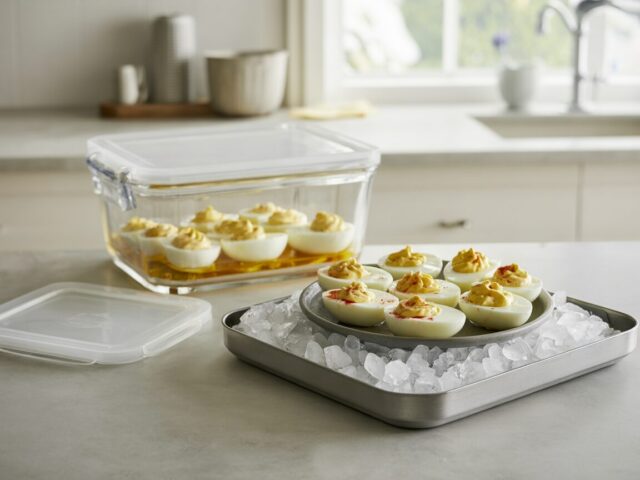
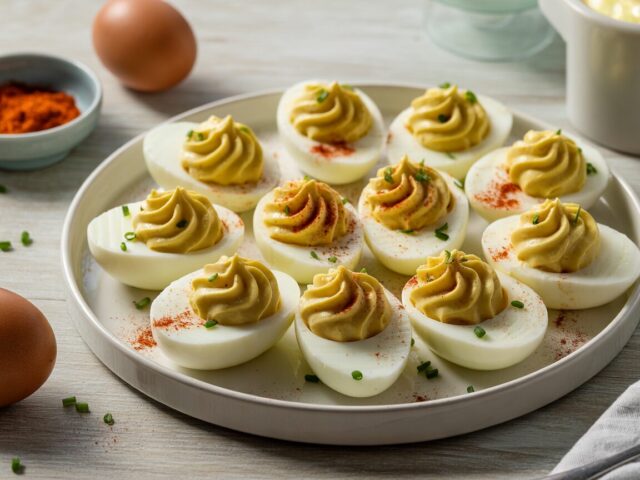
Serve sangria cold, over plenty of ice, with a few pieces of fruit in each glass. Add the club soda just before serving, because it goes flat in the refrigerator. For a crowd, double the recipe in a large drink dispenser. Sangria also pairs well with party food such as deviled eggs and homemade meatballs.
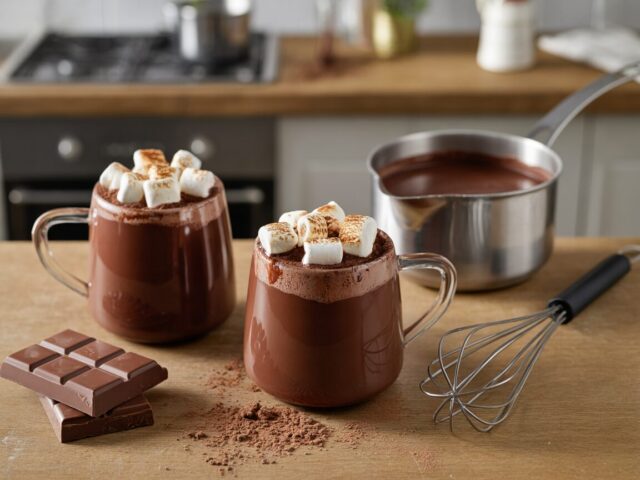
Store leftovers covered in the refrigerator, and strain out the fruit first, since it turns soft and bitter as it sits. For a cozy drink on colder evenings, try homemade hot chocolate instead.
Frequently Asked Questions
What is the best wine for sangria?
A dry, fruity red with soft tannins, such as Tempranillo or Garnacha. Choose a modestly priced bottle you enjoy drinking.
Can you make sangria the night before?
Yes. Chill it overnight, but remove lemon slices after a few hours to avoid bitterness, and add the club soda just before serving.
Can you make sangria without brandy?
Yes. Leave it out or replace it with extra orange juice. The sangria will be lighter and slightly fruitier.
How much sangria does one bottle make?
With juice and club soda, one bottle makes about six glasses of roughly 6½ ounces each before ice.
Key takeaways
- Use a dry, fruity, modestly priced red such as Tempranillo or Garnacha.
- Chill for at least 2 hours, and remove lemon slices if steeping overnight.
- Add club soda just before serving so it stays bubbly.
- Each glass of this recipe holds about one standard drink.
About this recipe: nutrition is estimated from USDA FoodData Central values, and standard drink figures follow the National Institute on Alcohol Abuse and Alcoholism.