Quick answer
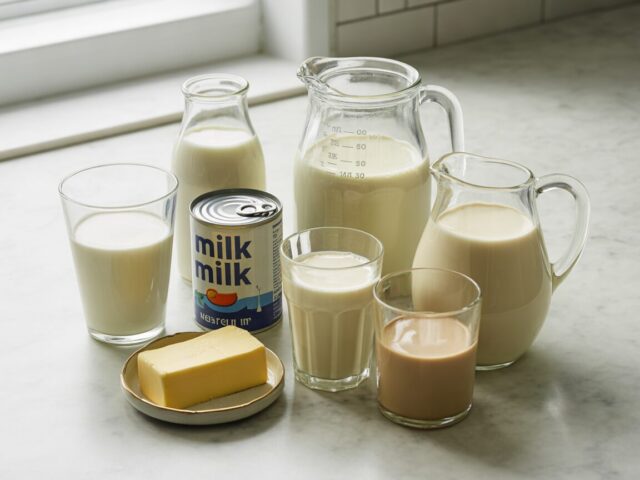
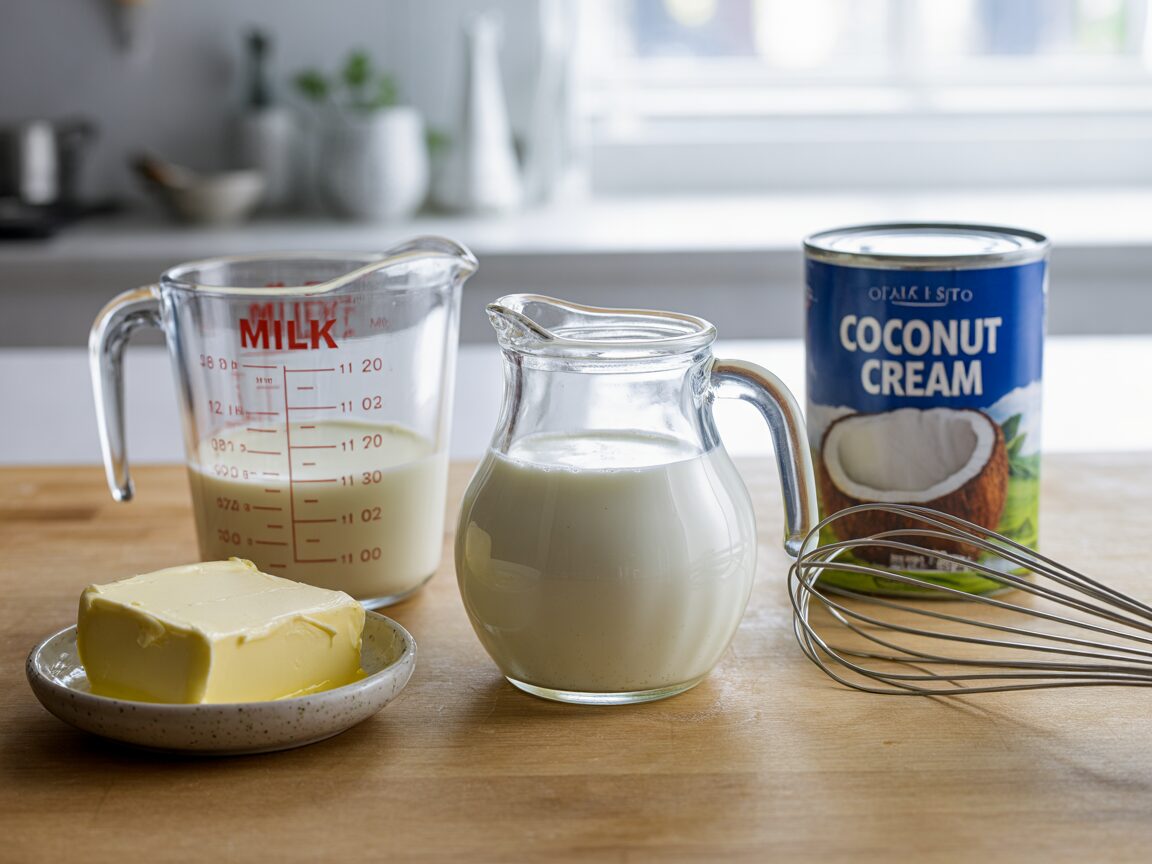
The easiest heavy cream substitute is ¾ cup of whole milk mixed with ¼ cup of melted butter, which replaces 1 cup of cream in soups, sauces and most baking. For a richer swap, use ⅔ cup of half-and-half with ⅓ cup of melted butter. None of these will whip, so for whipped topping use chilled coconut cream instead.
A good heavy cream substitute replaces the one thing that sets cream apart, which is fat. Heavy cream is mostly milkfat and water, and that fat makes sauces silky, keeps soups from curdling and gives scones and biscuits their tender crumb. So the best swaps rebuild that fat with butter, or bring their own richness from cream cheese, coconut or nuts.
Below, you will find a chart of per-cup swaps and the real fat content of each mix, calculated from USDA data. After that come the best choice for each kind of recipe, how to make milk and butter cream that does not separate, and which substitutes you can whip. Finally, there are dairy-free options and a quick guide to the cream labels in the dairy case.
What Heavy Cream Does in a Recipe
Cream performs several jobs simultaneously, and each substitute handles some of them considerably better than others. Identifying which job matters most in your particular recipe makes the decision straightforward.
- Richness: fat carries flavor and coats the tongue, so cream sauces and soups taste full and round.
- Body: cream is thicker than milk, so it adds texture to sauces, custards and fillings without flour.
- Heat stability: because cream holds so much fat, it can simmer and even boil without curdling. That is why it is a favorite for pan sauces.
- Tenderness: in scones, biscuits and cakes, fat shortens the gluten strands, which keeps the crumb soft.
- Whipping: when beaten cold, the fat traps air and holds peaks, something only high-fat liquids can accomplish.
Most household swaps reproduce richness, body and tenderness reasonably well. However, heat stability and whipping are considerably harder to imitate, so those two qualities usually determine which substitute you should choose.
Heavy Cream Substitute Chart
Each amount below replaces 1 cup of heavy cream. Unless a note says otherwise, add the swap at the same point in the recipe as you would add cream.
| Substitute | For 1 cup of cream | Best for | Watch for |
|---|---|---|---|
| Milk and butter | ¾ cup whole milk plus ¼ cup melted butter | Soups, sauces, mashed potatoes, baking | Will not whip; blend so it stays mixed |
| Half-and-half and butter | ⅔ cup half-and-half plus ⅓ cup melted butter | Baking, ganache, rich sauces | Will not whip |
| Half-and-half alone | 1 cup | Coffee, soups, quiche | Thinner; can curdle if boiled |
| Whipping cream | 1 cup | Everything, including whipping | Softer peaks than heavy cream |
| Cream cheese and milk | ½ cup softened cream cheese whisked with ½ cup milk | Pasta sauces, soups, frosting | Slight tang; whisk until smooth |
| Evaporated milk | 1 cup | Soups, casseroles, pumpkin pie | Much leaner; light caramel note |
| Greek yogurt and milk | ½ cup plain Greek yogurt plus ½ cup whole milk | Dips, dressings, cool sauces | Tangy; curdles over high heat |
| Sour cream or crème fraîche | 1 cup | Soups and sauces finished off the heat | Tangy; sour cream curdles easily |
| Milk and cornstarch | 1 cup milk plus 1 tbsp cornstarch, simmered | Soups and sauces that only need body | No richness; lean flavor |
| Coconut cream | 1 cup, unsweetened | Curries, soups, whipping, vegan baking | Coconut flavor |
| Silken tofu and soy milk | ½ cup silken tofu blended with ½ cup soy milk | Creamy soups, pasta sauces | Very lean; blend until smooth |
| Cashew cream | 1 cup soaked raw cashews blended with ¾ cup water | Vegan sauces, soups and desserts | Needs a strong blender |
Whenever possible, choose unsweetened, unflavored products. Vanilla yogurt or sweetened coconut cream can work in a dessert, but either one tastes noticeably out of place in soup or a savory pasta sauce.
How Rich Each Substitute Really Is
The milk and butter mix is the most common swap, yet it is noticeably leaner than the cream it replaces. Running the numbers through USDA FoodData Central shows how much fat each cup of substitute holds.
| 1 cup of | Fat | Milkfat share | Closest dairy match |
|---|---|---|---|
| Heavy cream | 86 g | About 36% | The real thing |
| ⅔ cup half-and-half plus ⅓ cup butter | 80 g | About 34% | Whipping cream |
| ½ cup plus 2 tbsp milk, plus 6 tbsp butter | 74 g | About 31% | Whipping cream |
| ¾ cup half-and-half plus ¼ cup butter | 67 g | About 28% | Light cream |
| ¾ cup milk plus ¼ cup butter | 52 g | About 22% | Light cream |
| ½ cup cream cheese plus ½ cup milk | 44 g | About 18% | Light cream |
| Half-and-half | 28 g | About 12% | Half-and-half |
| Evaporated milk | 19 g | About 8% | Leaner than half-and-half |
| ½ cup Greek yogurt plus ½ cup milk | 10 g | About 4% | Whole milk |
These figures are estimates calculated from USDA composition data for each individual ingredient. In practice, the everyday ¾ and ¼ mix behaves like light cream, which is perfectly adequate for soup, mashed potatoes and most savory sauces. Still, when cream is the main ingredient, as in scones, biscuits or ganache, the richer ratios give results much closer to the original.
How to Make Milk and Butter Cream
Melted butter and cold milk separate almost immediately, so a casual stir is not enough. Instead, warm them together and blend the mixture, which creates an emulsion that stays combined considerably longer.
- Warm: heat the milk and butter together in a small saucepan or in the microwave, just until the butter melts.
- Cool slightly: let the mix rest for about 10 minutes, until it is warm rather than hot.
- Blend: blend it on high for 1 to 2 minutes, or use a stick blender, until it turns frothy and pale.
- Use or chill: use it right away, or cover it and refrigerate it. If it separates later, whisk or shake it again before measuring.
Because the blended mix is full of tiny bubbles, a cup measure gives a short pour. So for baking, weigh it instead: 1 cup of heavy cream weighs about 238 grams. Salted butter works well in savory dishes. In sweet baking, however, unsalted butter keeps the salt where the recipe intended. Whole milk gives the best result, although 2% milk works if that is what you have.
Scaling the Substitute to Any Amount
Recipes rarely call for exactly 1 cup of cream, so it helps to have the proportions worked out in advance. The everyday column matches light cream, while the richer column comes much closer to genuine heavy cream for baking and ganache.
| Cream needed | Everyday mix (milk plus butter) | Richer mix (milk plus butter) |
|---|---|---|
| ¼ cup | 3 tbsp milk plus 1 tbsp butter | 2½ tbsp milk plus 1½ tbsp butter |
| ½ cup | 6 tbsp milk plus 2 tbsp butter | 5 tbsp milk plus 3 tbsp butter |
| 1 cup | ¾ cup milk plus ¼ cup butter | ½ cup plus 2 tbsp milk, plus 6 tbsp butter |
| 2 cups | 1½ cups milk plus ½ cup butter | 1¼ cups milk plus ¾ cup butter |
Measure the butter before melting it, since a stick wrapper marks tablespoons conveniently. Afterward, combine both ingredients and blend them exactly as described above. For quantities larger than 2 cups, prepare separate batches, because a blender emulsifies smaller amounts more evenly.
The Best Substitute for Each Kind of Recipe
The appropriate swap depends entirely on what the cream is contributing to your dish. Use the following guidance to match each substitute to the particular recipe in front of you.
Soups and chowders
For soup, the milk and butter mix or plain half-and-half works well, and a little cream cheese whisked in adds body. Stir dairy in near the end and keep the pot at a gentle simmer rather than a boil. If your soup ends up too thick afterward, the guide on thinning potato soup shows how to fix it. For a full example, the potato soup recipe uses this same technique.
Pasta sauces and Alfredo
Cream sauces need fat and heat stability, so choose half-and-half with butter, or milk with butter plus a spoonful of cream cheese. Then add any grated cheese off the heat and toss the pasta right away. If the sauce tightens as it cools, loosen it with a splash of pasta water.
Scones, biscuits and cakes
When cream is the main liquid, richness shapes the crumb. Therefore, use the richest mix, ⅔ cup of half-and-half with ⅓ cup of butter, or the 6-tablespoon butter ratio with milk. Leaner swaps still bake, but the results come out drier and less tender.
Ganache, caramel and frosting
Ganache and caramel sauce depend on fat, so they need a rich substitute. The half-and-half and butter mix works in both, and it sets almost as firmly once chilled. For cream cheese frosting, a few tablespoons of milk can replace the cream entirely.
Coffee and hot drinks
In coffee, half-and-half is the simplest swap, and whole milk works if you prefer a lighter cup. A splash of the milk and butter mix also works, although small drops of fat may float on top.
Ice cream
Ice cream relies heavily on fat for a smooth texture, so lean swaps freeze icy and hard. If you must substitute, use the richest butter mix. Otherwise, pick a recipe designed for milk or for coconut cream.
Quiche and custards
For quiche, half-and-half replaces cream one-for-one and sets well with the eggs. Similarly, custards and puddings work with half-and-half, though the texture is a little less silky.
Can You Whip a Heavy Cream Substitute?
Cream whips best with about 30% fat or more, and the fat has to be cold and firm enough to hold air. Fittingly, the federal dairy standards only use the word whipping for cream with at least 30% milkfat. Milk and butter mixes also fail for a second reason: once you blend melted butter into milk, its fat no longer forms the delicate network that traps air. As a result, every butter-based substitute stays liquid no matter how long you beat it.
The one reliable option is coconut cream. Chill a can of unsweetened coconut cream overnight, then scoop off the thick solid layer and beat it with a little sugar until fluffy. Save the thin liquid left in the can for smoothies or curry. Whipping cream, if you have it, also whips, though its peaks are softer and deflate sooner than those made with heavy cream.
Keeping Substitutes from Curdling
Leaner dairy products break down faster in heat and acidity, so most substitutes require gentler handling than genuine cream. A few dependable habits prevent grainy sauces and separated soups:
- Lower the heat: once dairy goes in, keep the pot at a bare simmer instead of a rolling boil.
- Temper yogurt and sour cream: stir a little hot liquid into them first, then stir the mix into the pot off the heat.
- Add acid last: stir in lemon juice, wine or tomatoes before the dairy, or after the pot comes off the heat.
- Thicken with starch: a teaspoon of cornstarch or flour in the substitute helps it hold together when heated.
If a sauce does split, take it off the heat and whisk in a tablespoon of cold milk or cream cheese. Blending it briefly can also bring a broken soup back together.
Dairy-Free and Vegan Options
Several plant-based alternatives work remarkably well, and some even outperform dairy substitutes in particular dishes. According to USDA data, raw coconut cream holds about 35% fat, very close to heavy cream, while canned coconut milk holds about 21%.
- Coconut cream: the closest match overall, and the only common swap that whips. Its flavor suits curries, soups and desserts.
- Cashew cream: soak 1 cup of raw cashews in hot water for 30 minutes, drain, then blend with ¾ cup of fresh water until silky. It is neutral, rich and ideal for pasta sauces.
- Silken tofu and soy milk: blended smooth, this mix gives body with very little fat, so it suits creamy soups more than desserts.
- Soy milk and vegan butter: follow the milk and butter method above with plant-based versions. Soy milk works best because it has more protein than most other plant milks.
Check labels when cooking for a milk allergy, since some nondairy creamers still contain a milk derivative. The guide to milk substitutes covers which products are truly dairy-free.
Lighter Options When You Want Less Fat
Occasionally the objective is a lighter dish rather than a perfect imitation. In that situation, evaporated milk, half-and-half, or milk thickened with cornstarch all provide a creamy consistency with considerably less fat. Evaporated milk is especially useful because it keeps in the pantry and stays stable in soups and casseroles.
For a thick, cool sauce such as a dip or a dressing, Greek yogurt thinned with milk works well. Just remember that leaner swaps taste less rich, so season the dish a little more boldly with herbs, garlic, cheese or black pepper.
Heavy Cream, Whipping Cream and Other Labels
Cream labels follow federal rules, so each name tells you how much fat is inside. Under the milk and cream standards, each product must meet a set range of milkfat.
| Label | Milkfat required | Swaps for heavy cream? |
|---|---|---|
| Heavy cream or heavy whipping cream | At least 36% | The same product |
| Whipping cream or light whipping cream | 30% to under 36% | Yes, one-for-one |
| Light cream (coffee or table cream) | 18% to under 30% | In cooking, yes; it will not whip well |
| Half-and-half | 10.5% to under 18% | In soups and coffee; add butter for baking |
| Evaporated milk | At least 6.5% | In soups and pies, for a lighter result |
In other words, heavy cream and heavy whipping cream are the same thing, sold under two allowed names. British recipes sometimes call for double cream, which is richer still, so heavy cream is the nearest US swap. Similarly, single cream sits close to American light cream.
Storing a Homemade Substitute
A homemade cream substitute is a perishable dairy product, so keep it cold. The USDA leftovers guidance says to refrigerate perishable food within 2 hours. Store the mix in a covered jar and use it by the earliest date on the milk or cream you started with.
Because butter solidifies in the cold, the mixture may thicken or separate in the refrigerator. Once it warms slightly, shake or whisk it back together. Freezing is not recommended, though, since thawed dairy mixtures usually turn grainy.
Frequently Asked Questions
Can you use milk instead of heavy cream?
Yes, in soups, sauces and mashed potatoes, but the result is thinner and less rich. For a closer match, mix ¾ cup of whole milk with ¼ cup of melted butter.
Can you use half-and-half instead of heavy cream?
Yes, one-for-one in soups, quiche and coffee. For baking or rich sauces, use ⅔ cup of half-and-half with ⅓ cup of melted butter, and keep the heat gentle so it does not curdle.
Is heavy whipping cream the same as heavy cream?
Yes. Federal rules permit both names for cream with at least 36% milkfat, so you can use them interchangeably.
Does a heavy cream substitute work in baking?
Yes. The milk and butter mix works in most cakes, muffins and quick breads. For scones and biscuits, where cream is the main liquid, use a richer mix with more butter.
Bringing It Together
When you run out of heavy cream, ¾ cup of milk with ¼ cup of melted butter covers most soups and sauces. For baking, ganache or a rich pasta sauce, raise the fat with half-and-half and more butter, and blend the mix so it stays smooth. For whipped topping, chill a can of coconut cream instead, since no butter-based swap will whip. Finally, keep the heat gentle with any leaner substitute, and refrigerate leftovers promptly.
Key takeaways
- Use ¾ cup of whole milk plus ¼ cup of melted butter for 1 cup of heavy cream.
- For baking and ganache, use ⅔ cup of half-and-half plus ⅓ cup of melted butter.
- Blend milk and butter while warm so the mix stays together.
- Only coconut cream or real whipping cream will whip.
- Simmer leaner substitutes gently, and add acids before the dairy.
About this guide: the cream fat ranges follow the federal milk and cream standards, and the fat figures for each mix are calculated from USDA FoodData Central. The storage advice follows USDA food safety guidance.